Myan
Myan 
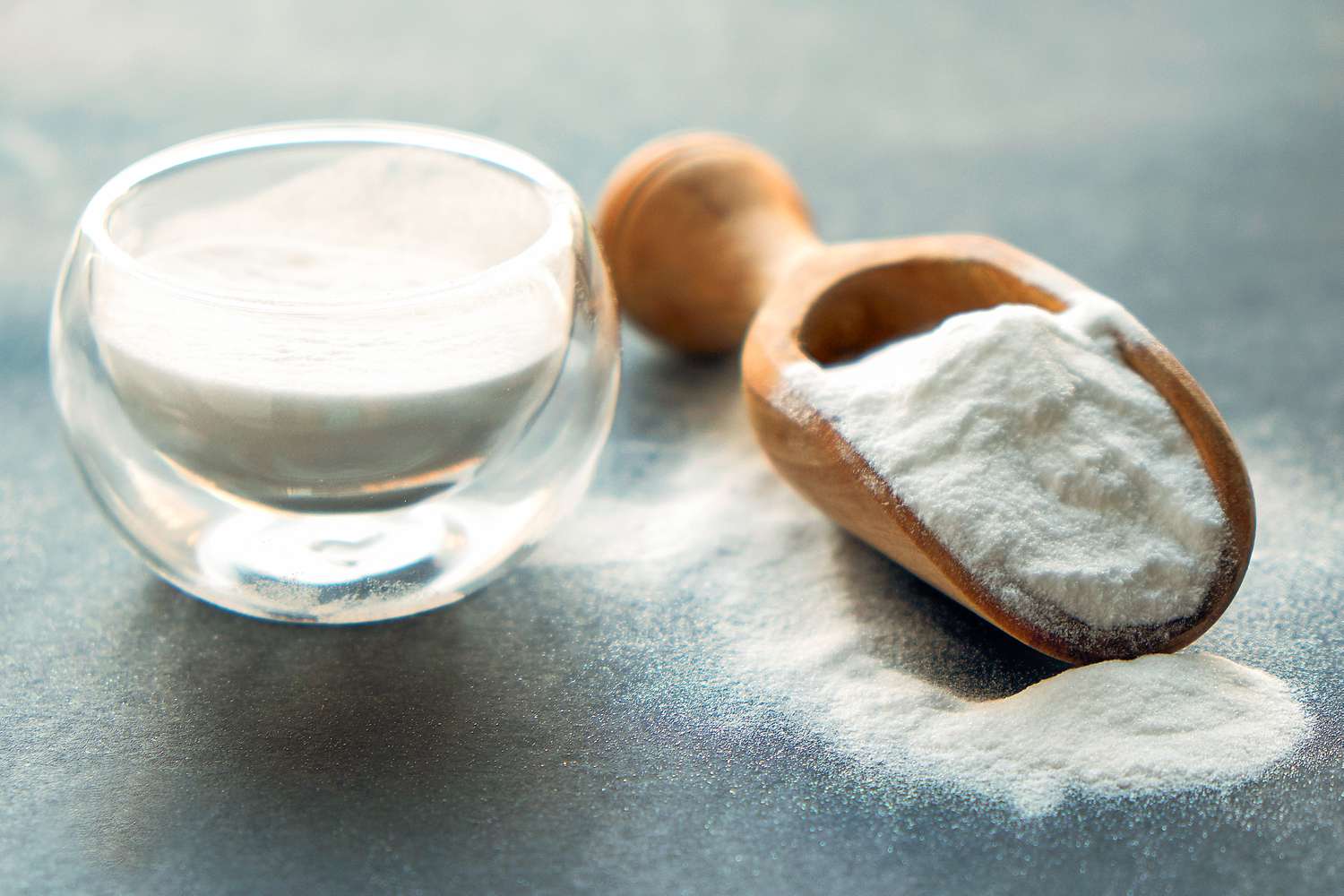
Both Baking Soda and Baking Powder are leavening agents used in baking. They help baked goods rise by releasing carbon dioxide (CO₂) gas, which creates air pockets in the batter or dough. However, they differ in their composition and the way they react.
Baking Soda
Baking Soda is a pure alkaline substance (base) that requires an acidic ingredient to activate it. Since it does not contain any acid on its own, it must be combined with acidic ingredients such as yogurt, buttermilk, lemon juice, or vinegar to produce the chemical reaction needed for leavening.
Once mixed with liquid and an acid, Baking Soda begins reacting immediately. Therefore, the batter or dough should be baked promptly to ensure optimal results.
Baking Soda is commonly used in:
- Cookies
- Biscuits
- Muffins
- Fried snacks and pastries
It helps create a light texture and contributes to a crisp, golden finish.
Baking Powder
Baking Powder contains Baking Soda along with acidic compounds and cornstarch. It is available in two forms: single-acting and double-acting. The most commonly used type is double-acting Baking Powder.
Double-acting Baking Powder works in two stages:
- The first reaction occurs when it is mixed with liquid, releasing a small amount of carbon dioxide.
- The second reaction takes place when the batter is exposed to heat during baking, releasing most of the remaining gas and causing the baked product to rise.
As a result, Baking Powder helps improve volume, creates a lighter and softer texture, enhances appearance, and contributes to overall product quality.
Baking Powder is commonly used in:
- Cakes
- Donuts
- Cookies
- Biscuits
- Steamed buns and various baked goods
Which One Should You Use?
The choice between Baking Soda and Baking Powder depends on the type of baked product you are making and the specific recipe requirements. Selecting the appropriate leavening agent will help you achieve the desired texture, volume, and overall quality of your final product.