Myan
Myan 
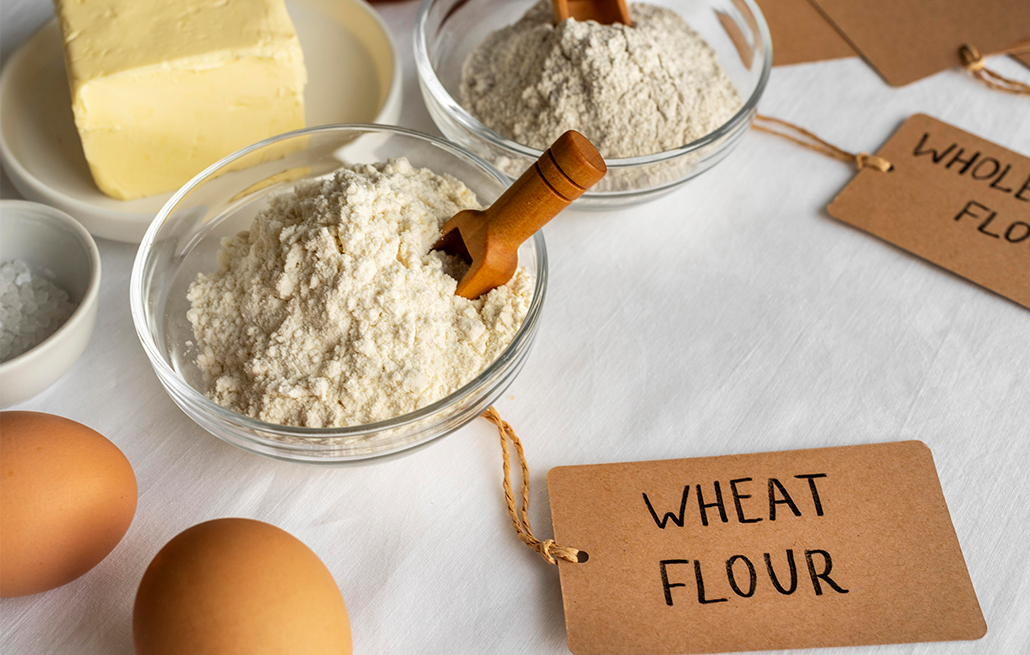
Flour is the foundation of countless baking recipes, yet choosing the right type can feel overwhelming for beginners. With so many options lining the shelves, how do you know which one to pick for your next bake? The answer lies in understanding the unique characteristics of different types of flour and how they impact your creations.
In this guide, we’ll break down the most common types of flour and help you choose the perfect one for your baking needs.
The Role of Flour in Baking
Flour provides structure, texture, and flavor to baked goods. It interacts with liquid to form gluten, which gives elasticity to dough and helps it rise. The amount of protein in the flour determines its gluten-forming potential, which directly impacts the outcome of your recipe.
Common Types of Flour and Their Best Uses
1. Multipurpose Flour
- Best For: Youtiao and Parata.
- Why It Works: This versatile flour strikes a balance between tenderness and strength, making it ideal for a wide range of recipes.
2. Bread Flour
- Best For: Yeast breads, pizza dough, bagels, and pretzels.
- Why It Works: High protein levels create strong gluten networks, resulting in chewy, well-structured baked goods.
3. Cake Flour
- Best For: Light, tender cakes and delicate pastries.
- Why It Works: Low protein content yields a fine crumb and soft texture, perfect for sponges and layer cakes.
4. Whole Wheat Flour
- Best For: Healthy breads.
- Why It Works: Made from the entire wheat kernel, this flour adds a nutty flavor and dense texture while boosting nutritional value.
How to Choose the Right Flour
- Understand Your Recipe
Check the recipe to see if it specifies a type of flour. Matching the flour to the recipe ensures the best results. - Consider Texture and Structure
- For tender baked goods like cakes, opt for low-protein flour.
- For chewy breads, choose high-protein options like bread flour.
- Experiment with Blends
Don’t hesitate to mix flours to achieve a specific texture or flavor. For instance, blending all-purpose and whole wheat flour can give a balanced, hearty bread.
Pro Tips for Flour Success
- Measure Correctly: Use a scale for precision, or spoon and level the flour into your measuring cup.
- Sift When Needed: Sifting aerates the flour, removing lumps for a smoother batter or dough.
- Store Properly: Keep flour in an airtight container in a cool, dry place to maintain freshness.
Choosing the right flour is a critical step in baking that can make the difference between success and disappointment. By understanding the characteristics of different flours and their ideal uses, you’ll gain the confidence to tackle any recipe.
We’re passionate about providing top-quality flours that cater to every baking need. From tender cakes to rustic loaves, we have the perfect flour to elevate your bakes.
Ready to bake like a pro? Start with the right flour and watch your creations rise to perfection!