

 Myan
Myan 
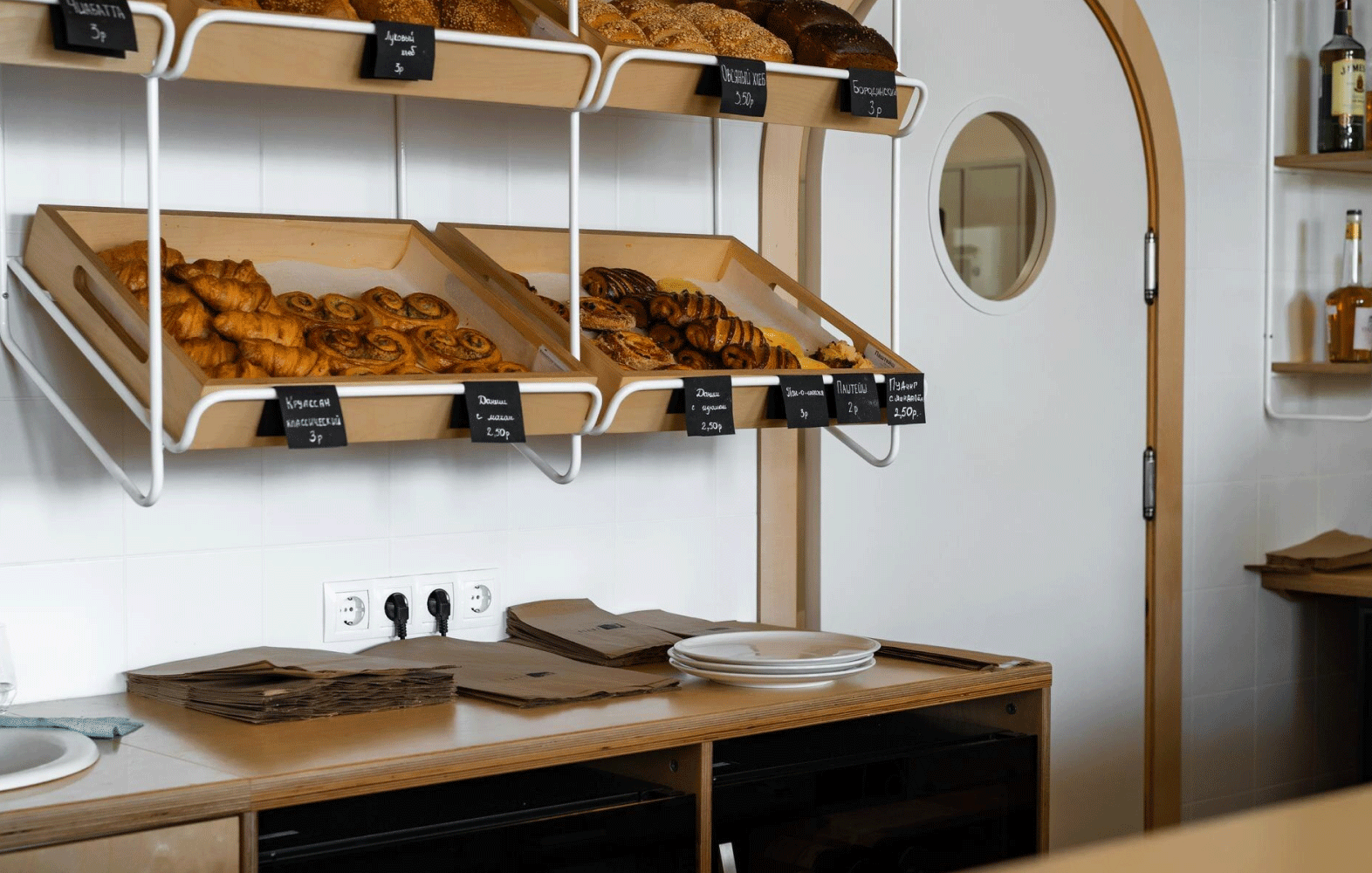
There’s something magical about biting into a warm, crusty loaf of bread that feels like it came straight out of a gourmet kitchen. While making restaurant-quality bread at home might seem intimidating, with the right techniques and a little patience, you can recreate that professional-level taste and texture in your own kitchen.
Here are some tried-and-true tips to elevate your homemade bread and impress everyone at the table.
1. Choose the Right Flour
The foundation of great bread starts with the right type of flour. For most artisan-style breads, high-protein bread flour is ideal as it develops more gluten, which gives the bread its chewy texture and structure.
- Bread Flours: Bread flour can add unique flavors and are great for experimenting.
- Multipurpose Flour: Good for softer loaves or if bread flour isn’t available.
- Whole Wheat Flour: Adds a nutty flavor and denser texture, perfect for hearty loaves.
2. Measure Ingredients Accurately
Baking is a science, and precision is key. Use a digital kitchen scale to measure your ingredients by weight rather than volume. This ensures consistency, especially with flour, which can be compacted during scooping.
3. Perfect the Kneading Technique
Kneading develops gluten, which is essential for structure and elasticity. If you’re kneading by hand, aim for a smooth, elastic dough that springs back when poked. Alternatively, a stand mixer with a dough hook can save time and effort.
4. Give the Dough Time to Rise
Patience is essential in bread-making. Allow your dough to rise until it has doubled in size, which can take 1–2 hours depending on room temperature. For more flavor, try a slow fermentation process by refrigerating the dough overnight.
5. Preheat Your Oven Properly
A well-preheated oven ensures even baking and a good oven spring (the dough’s final rise during baking). For best results, use a baking stone or steel to mimic the heat distribution of professional ovens.
6. Score the Dough
Scoring, or making shallow cuts on the surface of the dough, isn’t just decorative—it helps control how the bread expands in the oven. Use a sharp knife or a baker’s lame for clean cuts.
7. Let It Cool Completely
As tempting as it is to slice into a warm loaf, resist the urge! Bread continues to cook as it cools, and slicing too early can result in a gummy texture. Allow your bread to cool on a wire rack for at least an hour.
8. Experiment with Flavors
Once you’ve mastered basic recipes, experiment with add-ins like herbs, cheese, dried fruits, nuts, or seeds to create unique loaves. Restaurant-quality bread often has a signature flavor twist, and now you can create your own.
9. Practice Makes Perfect
Even the best bakers don’t nail every loaf. Keep practicing, taking notes on what works and what doesn’t. Over time, you’ll develop your own rhythm and style, just like a professional baker.
Making restaurant-quality bread at home is a rewarding experience that combines skill, patience, and creativity. With these tips, you’re well on your way to crafting loaves that rival those from the finest bakeries.


