Myan
Myan 
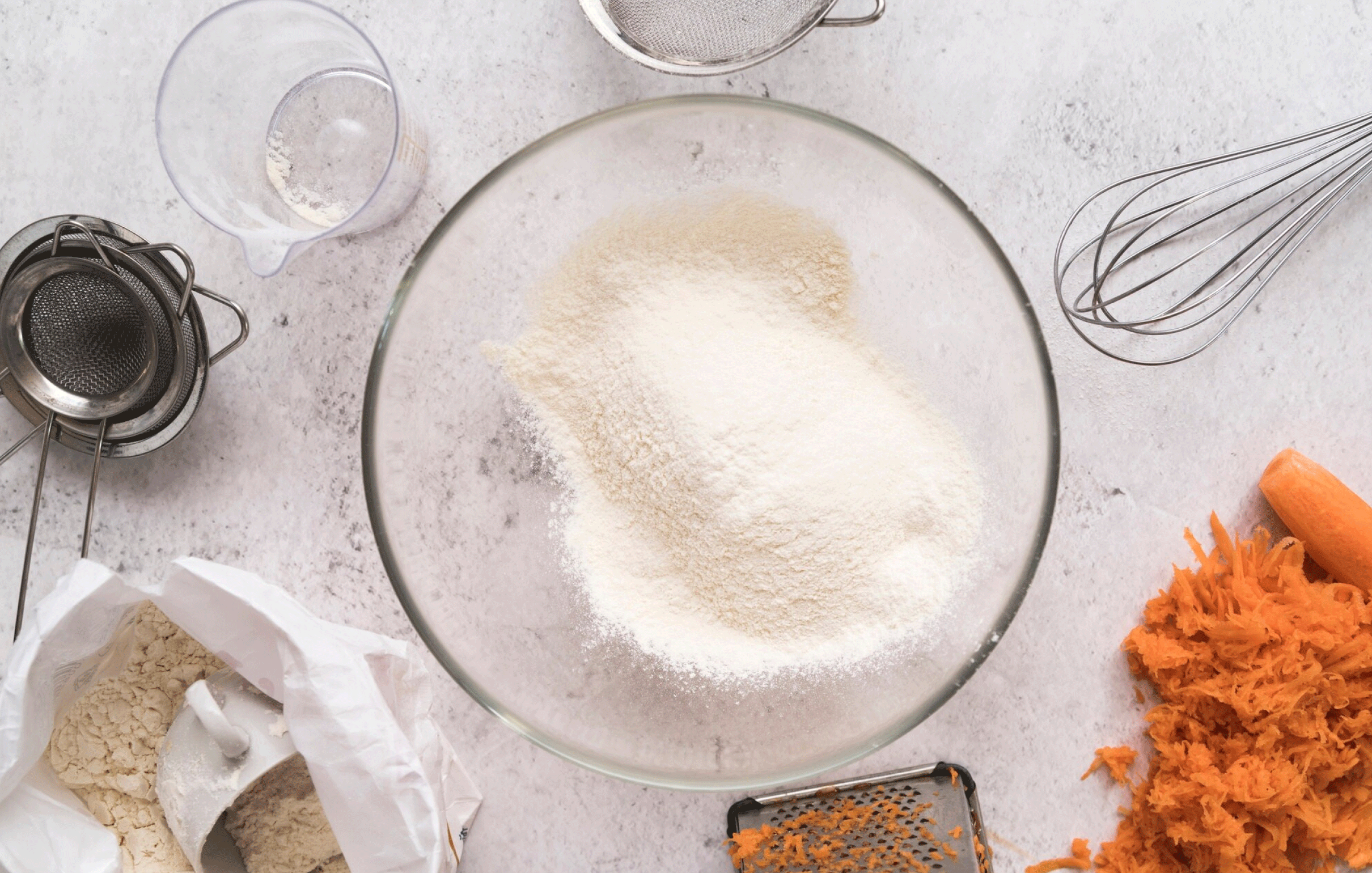
Wheat flour is more than just an ingredient—it’s the backbone of cooking and baking traditions around the world. This versatile staple has been a cornerstone of culinary practices for centuries, forming the basis of everything from crusty artisan bread to delicate pastries. Its adaptability and wide range of uses make it an irreplaceable element in kitchens, whether professional or home-based.
For many, the journey into baking begins with wheat flour. It’s the building block for creating familiar favorites like pancakes, cookies, and pizza dough, as well as more complex recipes such as puff pastry or sourdough bread. No matter where you are in your culinary journey, understanding wheat flour and its role in your recipes is key to achieving consistent, delicious results.
Types of Wheat Flour
Not all wheat flour is the same, and choosing the right type for your recipe is crucial. Here are the most common varieties and their uses:
- Multipurpose Flour: As its name suggests, this flour is suitable for a wide range of recipes, from cakes to sauces. It balances protein content, making it versatile for both soft and firm textures.
- Bread Flour: With a higher protein content, bread flour produces strong gluten structures, making it perfect for yeast-based breads and pizza crusts.
- Cake and Pastry Flour: This low-protein flour creates tender and delicate textures, ideal for soft cakes, cookies, and pastries.
- Whole Wheat Flour: Packed with nutrients, this flour is made from the entire wheat kernel, offering a wholesome option for bread, muffins, and other baked goods.
Each type of wheat flour has its own unique properties, allowing you to create specific textures and flavors in your dishes.
Benefits of Wheat Flour
Wheat flour is not just versatile; it’s also packed with nutrients. Whole wheat flour, in particular, is an excellent source of dietary fiber, vitamins, and minerals. Incorporating it into your diet can support digestive health and provide sustained energy. Even refined flours, when used thoughtfully, can deliver satisfying results in baking and cooking.